

A smart pen that
teaches grammar
without showing
corrections, without
internet, and without
changing how
students write.
Students repeat the same grammar mistakes for years because nobody tells them in real-time. We built an AI-powered pen that vibrates when you make errors -but doesn't show you what's wrong. You have to think and self-correct.
Students repeat the same grammar mistakes for years because nobody tells them in real-time. We built an AI-powered pen that vibrates when you make errors -but doesn't show you what's wrong. You have to think and self-correct.
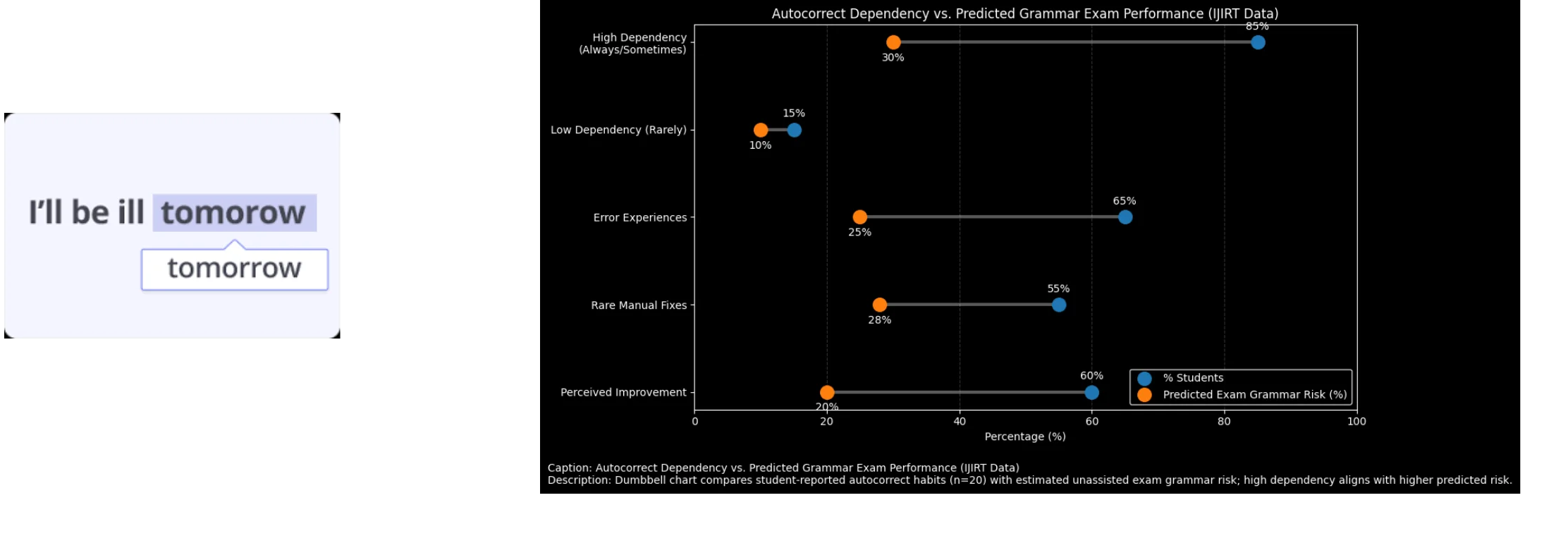
Autocorrect is making us forget how to write
Romanian students are failing. Under 40% pass rate on national exams. Over 40% are functionally illiterate. The problem isn't intelligence -it's that nobody tells them when they're wrong.
Autocorrect made this worse. Every phone, every computer silently fixes “a fost” → “au fost” before you even notice. You never learn the rule. You just get dependent on technology thinking for you.
Teachers try, but they grade papers three days later. By then, the student forgot what they were thinking when they wrote it. The feedback is useless.
We asked a different question:
What if the pen itself could tell you -in the moment you're writing -that something is wrong?
But here's the key insight: telling you the answer doesn't help you learn. Making you figure it out yourself does.
The pen doesn't tell you what's wrong
The idea came from a childhood toy -“creionul fermecat” -a magic pencil that made a sound when you got the answer right.
What if we inverted that? A pen that signals when something is wrong, but leaves you to figure out what.
Cognitive science calls this “desirable difficulty.” Learning is stronger when you retrieve the answer yourself versus being told. Every competitor -Grammarly, spellcheck, autocorrect -shows you the fix. That's not learning. That's outsourcing your brain.
WriteED makes you think.
How motion becomes grammar feedback
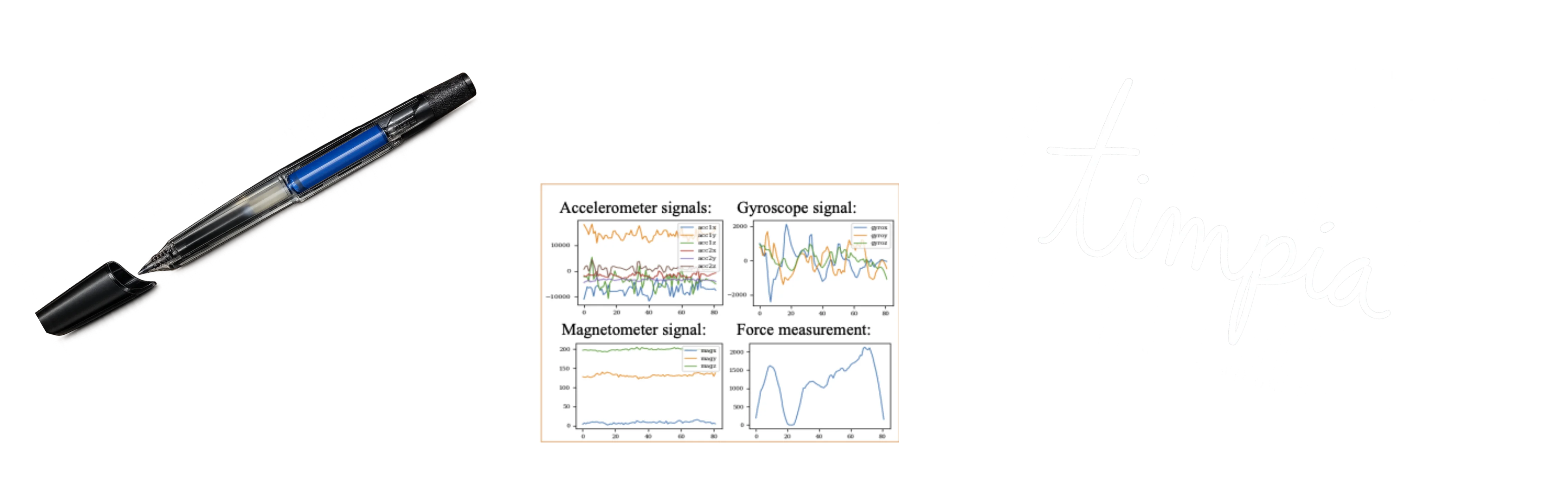
The pen looks normal. 167mm long, 15mm diameter, 25 grams. Feels like any ballpoint pen. But inside, it's packed with sensors capturing every micro-movement of your hand at 100Hz.
Hardware architecture
From sensor data to conscious correction
Every stroke you make generates 14 measurements per timestep. The challenge: convert chaotic motion signals into readable text, check grammar in real-time, and deliver feedback before you finish the word.
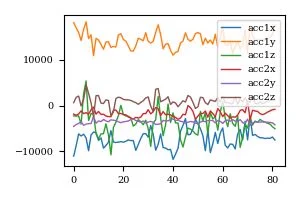
Accelerometer signals (6-axis)
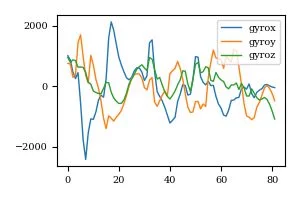
Gyroscope signals (3-axis)
Processing pipeline
Capture
IMU sensors record pen movement at 100Hz sampling rate.
Filter
High-pass filter removes gravity; moving average removes noise.
Transcribe
Custom LSTM model converts motion into character predictions.
Validate
Lightweight transformer checks grammar and spelling.
Respond
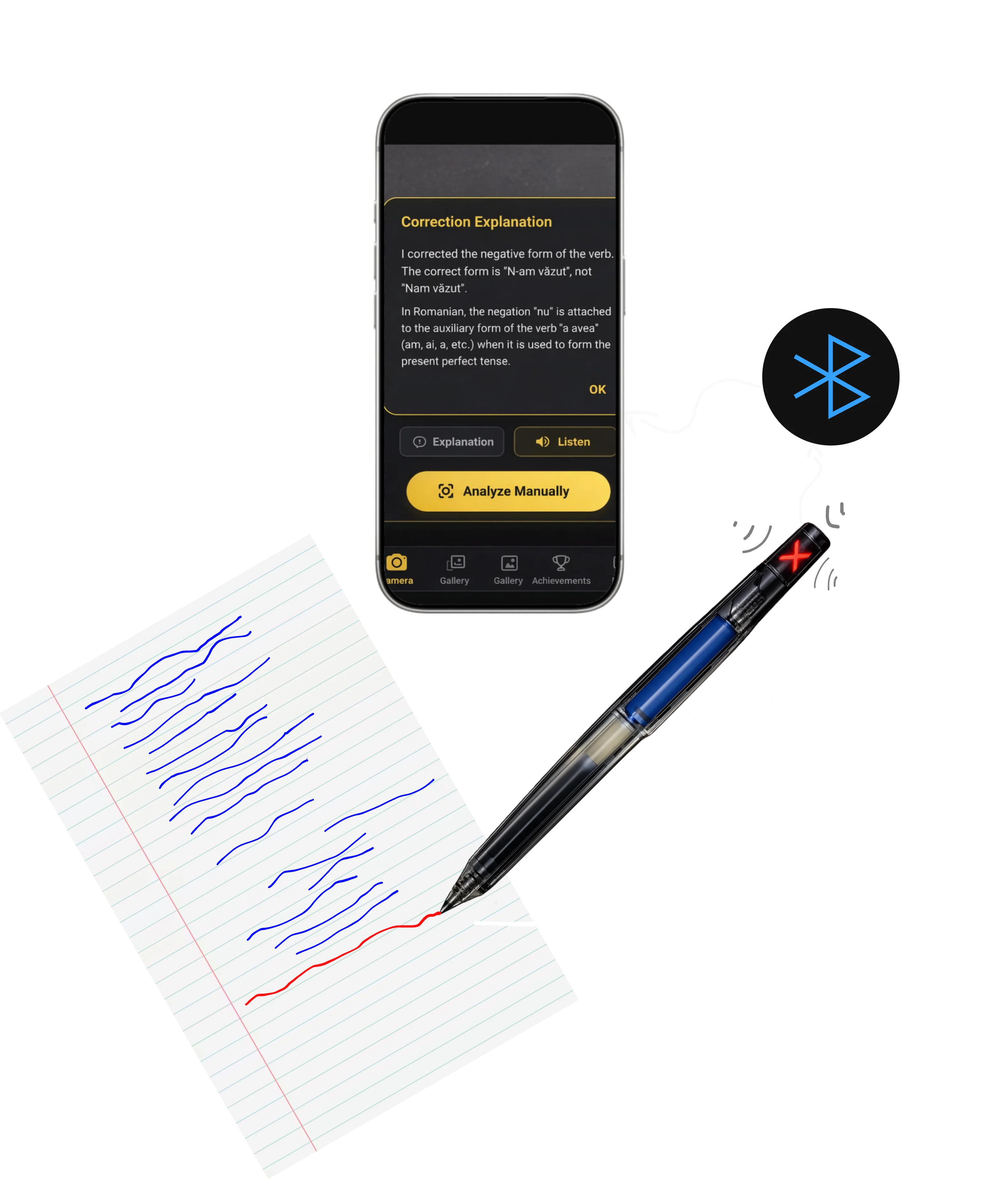
If error detected, haptic motor vibrates. No visual correction shown.
The entire pipeline executes in under 100 milliseconds. By the time you lift the pen, you already know something was wrong.
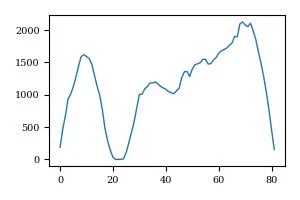
Force sensor graph showing a single letter being written. The dip between timesteps 21-24 is a pen lift -the writer completing one stroke before starting another. This temporal information helps the model distinguish between similarly-shaped letters.
Two models, one goal: make you think
We built both ML models from scratch, trained on 5,000+ handwriting samples we collected ourselves.
TIMPIA Motion-to-Text
Architecture: LSTM-based sequence model
Input: 13-channel sensor data (accelerometer, gyroscope, magnetometer, force)
Output: Character predictions in real-time
Deployment: Optimized for TensorFlow Lite Micro
TIMPIA GrammarCheck
Architecture: Lightweight transformer
Quantization: INT8 for embedded inference
Latency target: <100ms on STM32
Language: Romanian today; English expansion planned
Demo of real-time grammar detection on digital text
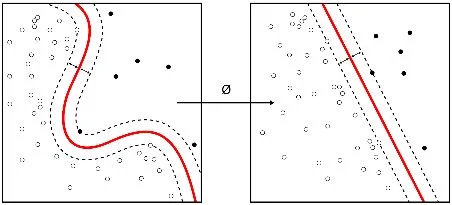
Classification decision boundary visualization
The challenge isn't just accuracy -it's speed. Academic research achieves 83-90% accuracy on similar tasks, but often requires cloud processing. We run everything on-device. No internet required. No latency from server calls. Complete privacy -student data never leaves the pen.
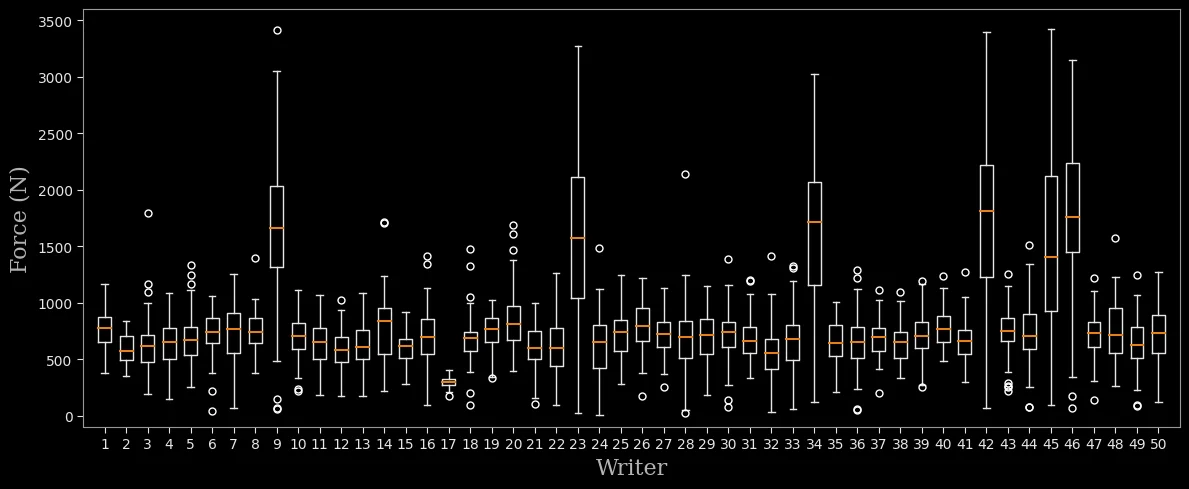
Writing pressure variation across 50 different users. Some press hard (writers 11, 30, 43), others barely touch the paper (writers 19, 21, 45). Our models must generalize across all these writing styles.
Building the dataset that didn't exist
No public dataset existed, so we built our own: 119 writers, 31,275 character samples, collected via custom protocol with automatic labeling.
Real-time character prediction from IMU sensor data
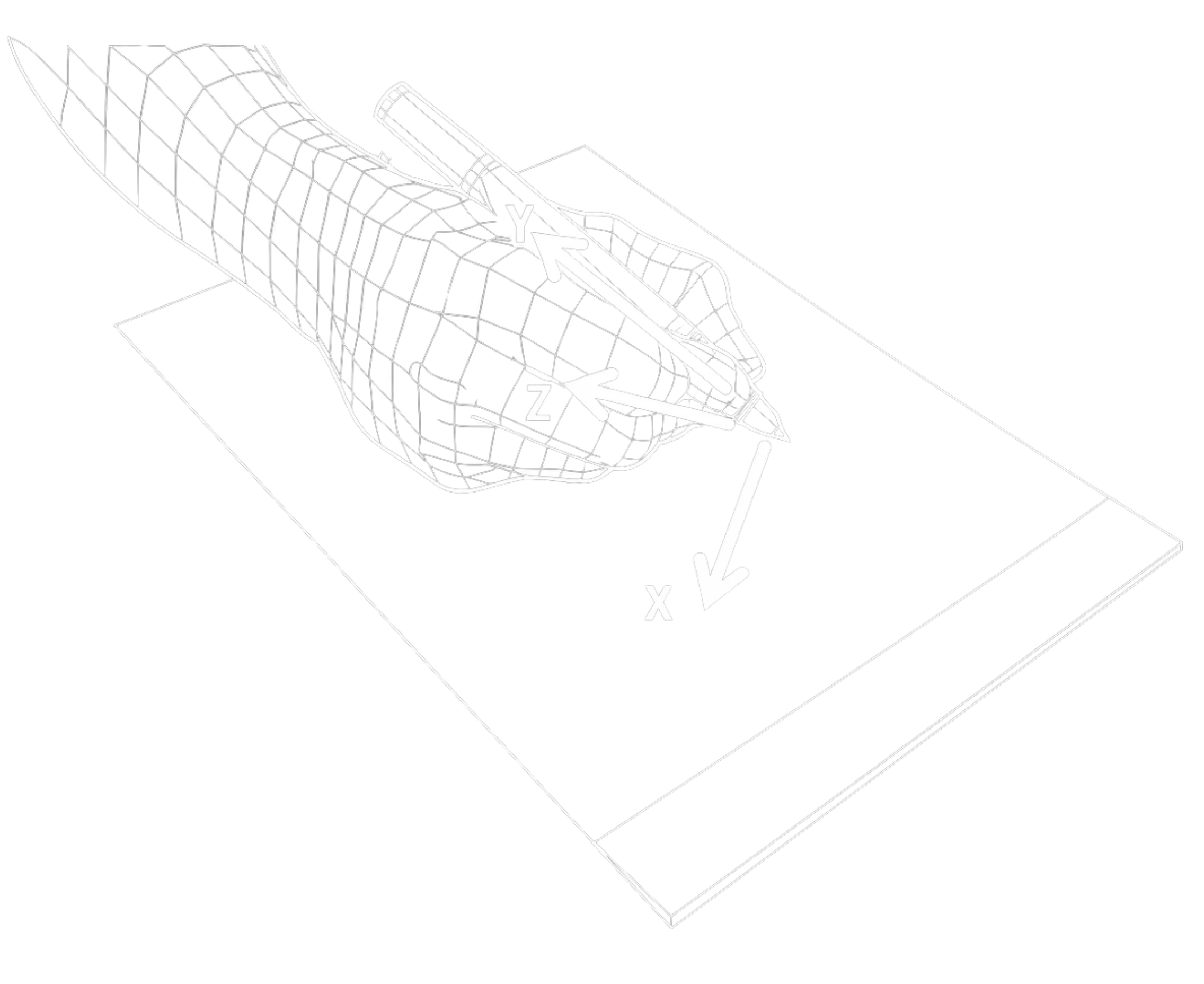
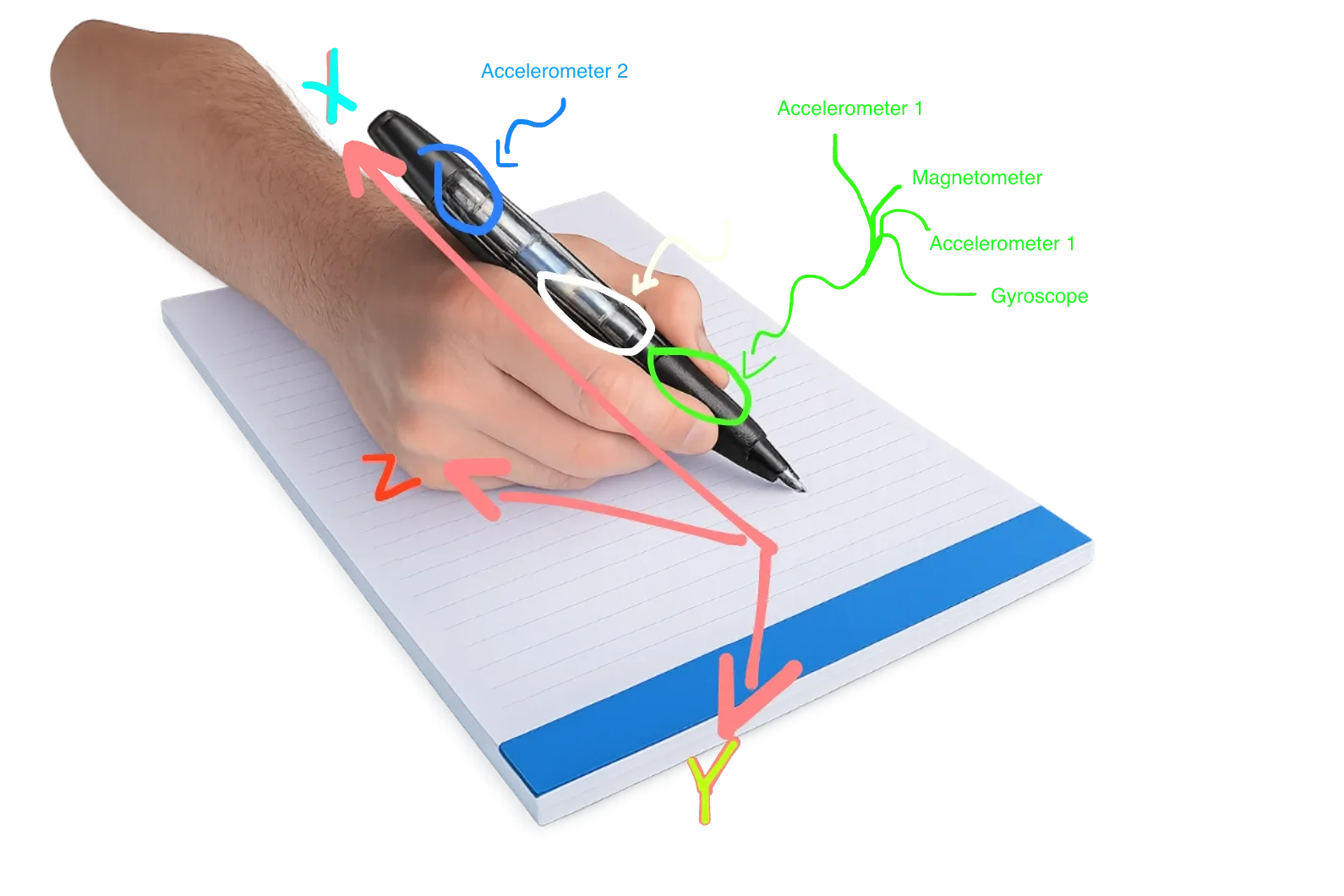
The coordinate system matters. X points along the writing direction, Y along the pen shaft, Z perpendicular to the paper.
Every sensor reading is relative to these axes. Getting this right was critical for model accuracy across different writing positions and grip styles.
Learning that feels like a game
The pen vibrates. Now what?
The companion app turns that moment of awareness into lasting improvement.
Mistake logging
Every error recorded with timestamp and context.
Pattern analysis
"You wrote 'a' instead of 'au' 8 times this week."
Personalized tests
Exercises targeting YOUR specific error patterns.
Gamification
Badges, streaks, friend leaderboards.
Progress tracking
Watch your mistake rate decline over time.
Built in Flutter for cross-platform deployment. Firebase backend for sync. Works offline -the pen doesn't need internet.
Does it actually work?
Beta test results (15 students, 2 weeks):
“I didn't realize I wrote ‘a’ instead of ‘au’ every time until the pen buzzed.”
60% reduction in repeated mistakes after two weeks of use.
Survey data (143 respondents):
The feedback pattern was consistent: students didn't know they were making mistakes until the pen told them. That moment of awareness -delivered in real-time, without judgment -changed their writing behavior.

What this demonstrates
This wasn't “we added sensors and called it smart.”
Real constraints, no workarounds
Students write on paper. Teachers don't have tablet budgets. We built around their workflow, not ours.
ML for the outcome, not the CV
Custom models trained to trigger self-correction, not to hit benchmark scores.
Full-stack, shipped
Hardware, firmware, ML pipeline, mobile app. Not a proof of concept.
Edge AI
Works offline. Sub-100ms. Data never leaves the pen.
The actual insight
Everyone else shows you the answer. We just tell you you're wrong.
Tech stack
From ML training pipelines to edge deployment - the full stack for intelligent hardware.





As seen in
WriteED's approach to grammar learning has been covered by major Romanian media outlets.
1st Place National - Samsung Solve for Tomorrow Romania 2025
Out of 516 competing teams